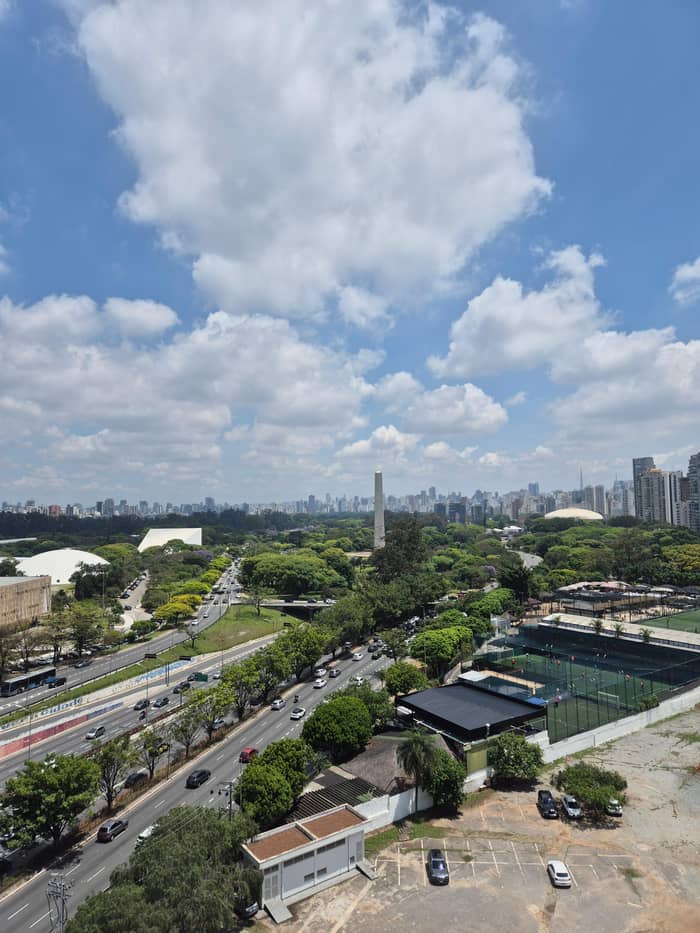
Daytime
The metro
Fast across the city
- Network13 lines
- Hours4:40 AM to midnight
- Watch forPickpockets at peaks
Interactive tick list
Brief answer
Sao Paulo is safe enough to visit with care: Canada and Australia advise a high degree of caution in Brazil, and the main risk for visitors is theft of phones and bags in busy areas, especially late in the day.
Safety essentials
To-do list · 9 items
Tap to check items off; your progress is remembered on this device.
0 / 9 ready
All set. Only the date and your meeting point are left to choose.
Book a seatWhat the UK, Canadian and Australian governments tell travellers about the city, where theft happens, how to move around, and why the main risk is your phone.
Editorial team, saopaulocitytour.com · Updated November 11, 2026 · ~7 min read
The essentials
Is Sao Paulo safe? The governments that advise travellers answer with caution rather than alarm. The Canadian advisory for Brazil asks for a high level of care, pointing to frequent crime and gang violence in the cities.1 Australia sets its advice at that level too, naming the threat of violent crime.2 Neither tells travellers to stay away from the city.
The UK is specific about what usually happens. Robberies are common in many Brazilian cities, particularly on buses, and thieves target mobile phones, particularly between 4 PM and 9 PM.3 Pickpocketing is common too.7 Canada adds that petty crime of this kind is common in all touristic areas of Rio de Janeiro and Sao Paulo.8
Read together, the message is clear and practical: the realistic risk for a visitor is losing a phone, a bag or a wallet, mostly in crowded places and at busy hours. That is a risk you can shrink a great deal with habits, and this page is about those habits, not about scaring you out of a visit to a city of museums, markets and restaurants.
Where to stay alert
| Place | Named by | What to do |
|---|---|---|
| Se Cathedral area | Canada, Australia4,17 | Visit by day, phone away |
| Avenida Paulista | Canada, Australia4,17 | Best on car-free Sundays18 |
| Municipal Market | Canada, Australia4,17 | Keep bags in front |
| Pinacoteca | Canada, Australia4,17 | Go in opening hours |
| Luz station area | Canada, Australia4,17 | Daytime only |
| Favelas | UK, Australia19,20 | Do not go, even on tours |
Areas listed by the Canadian and Australian governments as crime hotspots, and by the UK and Australia for favelas.4,19
Your phone is the item thieves want. Canada warns of armed thieves on motorbikes who grab phones and bags as they ride past, a regular problem in Sao Paulo and Porto Alegre in particular.11 The UK lists simple ways to cut the risk: keep the phone out of sight on the street, leave expensive jewellery and watches behind, carry little cash, and store your passport and valuables somewhere safe.12
In practice that means stepping into a shop or a cafe to check a map, not standing at the kerb with the screen out. Keep the phone in a front pocket or a zipped bag, and take photos with your back to a wall rather than to the traffic. A cheap spare phone, or a strap, makes the moments when you must use it less tense.
If someone does demand your things, the official advice is unambiguous. Do not resist attackers; if threatened, hand over your valuables without resistance.13 No phone or camera is worth a struggle. Back up your photos each evening, note your phone serial number, and keep a copy of your passport separately, as the UK also advises.14
Lists of areas to avoid in Sao Paulo can mislead, because the places official advice names are also the places you came to see. Canada lists around the Se Cathedral, Avenida Paulista, the historical downtown, the Municipal Market, the Pinacoteca, Princess Isabel Square and Luz station as areas where crime often occurs, and says tourists are mostly affected by theft.4
Australia names almost the same crime hotspots: around the Cathedral, the Pinacoteca, Luz station, Princess Isabel Square, the central market and Avenida Paulista.17 The lesson is not to skip them but to visit them alert, in daylight, and ideally with others. They are busiest, and most pleasant, in the middle of the day.
There is a clear exception: favelas. The UK tells travellers to stay out of every favela, which rules out the tours sold to visitors and any hostel, restaurant or bar that advertises a favela address.19 Australia says the same, and spells it out: not even with a tour group.20 When a navigation app suggests a shortcut through unfamiliar streets, take the main road instead.
Situations
Pick a situation and see what official advice suggests for it.
If I need to check a map
Step inside first
British advice: phones stay pocketed on the pavement.12
If Someone demands my bag
Hand it over
Do not resist; hand over valuables if threatened.13
If I am heading home late
Book a ride app
If A stranger offers a drink
Buy your own
Get your own drink at the bar and watch it.10
If I have been robbed
Call the police
Getting around
Daytime
Fast across the city
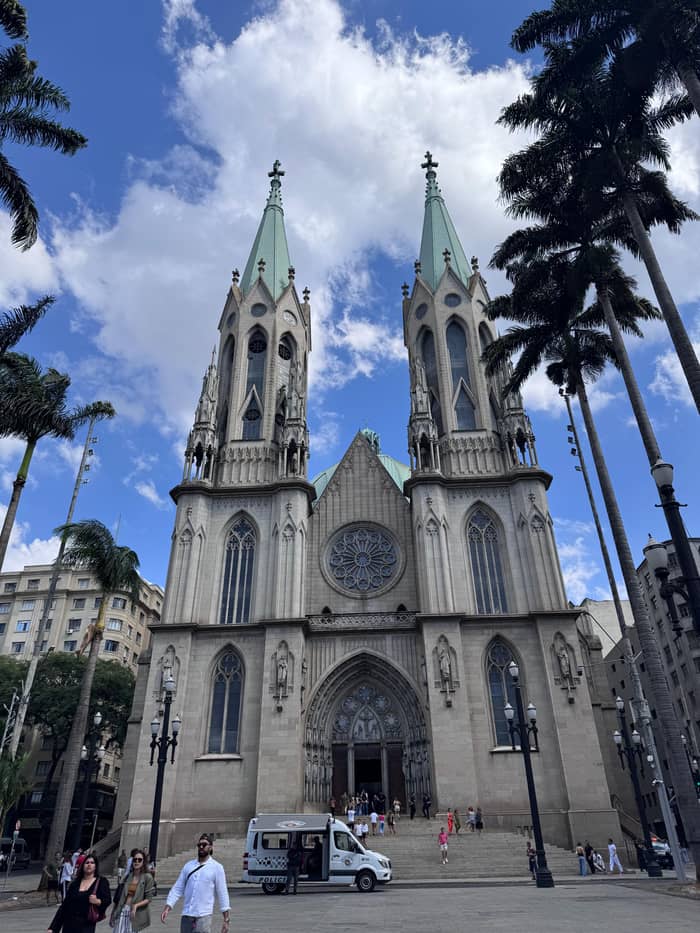
Evenings
Door to door at night
Booked here
Local guide, own vehicle
Is it safe to walk around Sao Paulo? In busy areas and in daylight, generally yes, with the habits above. Australia advises against going out alone at night and recommends avoiding isolated areas, noting that violent crime is more common in large cities and during festivals.23 Walk with purpose, keep to lit streets after dark and take a ride app for longer distances at night.
Sundays are the best walking days. From 9 AM until 4 PM, traffic is kept off Avenida Paulista and the heart of Liberdade, and families, musicians and food stalls take over.18,24 Crowds bring pickpockets too, so the same care applies, but a busy, car-free avenue is a very different place from an empty side street on a weekday night.
Plan walking routes by daylight. Downtown is full of office workers and shoppers during the week and much quieter at night and on weekends outside events. The area around Luz station and Princess Isabel Square appears on both the Canadian and Australian lists, so treat it as a daytime place.4,17 If your hotel is near there, ask the front desk which streets they suggest for walking back after dinner, and take their advice seriously.
A safe day
Morning
Pickup at 9:30 AM for the city tour.
Midday
Visit the market and downtown in full daylight.4
Late afternoon
Phone theft peaks from 4 PM to 9 PM.3
Evening
Check the plate and name before you get in.9
Night out
Order it yourself and keep the glass in view.10
The metro is the backbone of the city: 13 lines and 183 stations, running every day from 4:40 AM to midnight.25 It is clean and efficient, but Canada warns that public transport can be very crowded at peak times and that pickpocketing is common at bus and subway stations.22 Keep bags in front of you and avoid the busiest rush hours with luggage.
Taxis and ride apps fill the gaps. Several apps are authorised to operate in the city, including Uber, 99 and Cabify.26 Australia considers registered taxis and rideshare apps generally safe, and advises getting into a rideshare only when the plate number and driver name match the app.5,9 Registered taxis carry red licence plates and a meter, according to Canada.27
Buses are cheap and on Sundays free, but the UK notes that robberies happen particularly on buses.3,28 By day on a busy route they are a fine way to travel; late at night a ride app is the calmer choice. Whichever you take, avoid showing large amounts of cash when you pay. Have the fare or card ready before you board, and sit near the driver if the bus is almost empty.
Video
Swedish Gringo on YouTube · The video waits until you tap play to load.
Do not resist attackers. If threatened, hand over your valuables without resistance.
Sao Paulo nightlife is one of its pleasures, and a few precautions keep it that way. Canada reports spiked food and drinks, including in crowded restaurants and bars in Sao Paulo.29 The British answer is to order drinks yourself and never leave the glass unattended.10 Be cautious with new acquaintances who suggest moving on somewhere else.
Spirits need extra care. The UK reports methanol poisoning in Brazil and asks travellers to be careful with spirits, gin, vodka and whisky among them.30 Order from reputable bars and buy bottles sealed from proper shops. Leave the vape at home too: e-cigarettes, refills and their parts are banned outright in Brazil.31
Card fraud is the quieter risk. British advice is to keep the card where you can see it and to read the total on the reader before approving it.21 Use cash machines inside banks or shopping centres rather than on the street, and set up spending alerts on your banking app before you travel. Bring a spare card kept apart from the first, so a lost wallet never leaves you with no way to pay.
In an emergency, call the police on 190.6 There are also tourist police stations, the DEATURs, which help visitors with robbery or lost documents; there are 4 of them in Sao Paulo.16 Australia notes that English-speaking tourist police are available in Sao Paulo.32 Always ask for a police report for your insurer.
For everyday questions, the city has 6 tourist information and support centres in strategic spots.15 Save their locations and your hotel address both on paper and on the phone, so a lost phone does not also mean a lost evening. Share your plans for the day with someone at home or at the hotel, and agree a time to check in when you are out late.
A guided first day removes a lot of the uncertainty. On the shared city tour, a guide leads the route through downtown, the market and Paulista while a vehicle covers the distances, with pickup at 9:30 AM in Brooklin. You see the areas that need care in daylight, with someone local, and leave with a feel for the city that makes the rest of your stay easier.
FAQ
UK advice says thieves target mobile phones particularly in those hours, and that robberies happen particularly on buses.3
Canada warns that pickpocketing is common at bus and subway stations when crowded.22
UK advice gives 190 as the local police number for victims of crime.6
Sources
More to read
Planning a day in Sao Paulo? Ask a real person.