Booked here
A single day
The guided overview
- Length7 hours
- Start9:30 AM
- CoversAll main districts
Decide with ease
Brief answer
Sao Paulo is worth visiting for food, museums, architecture and city life, with a guided first day to tame the distances, but it has no beach and asks for the usual big-city care.
Visit essentials
Two questions, one plan
Say how much time you have and what you enjoy, and we suggest a first outing in the city with its starting price.
Recommended for you
from $80
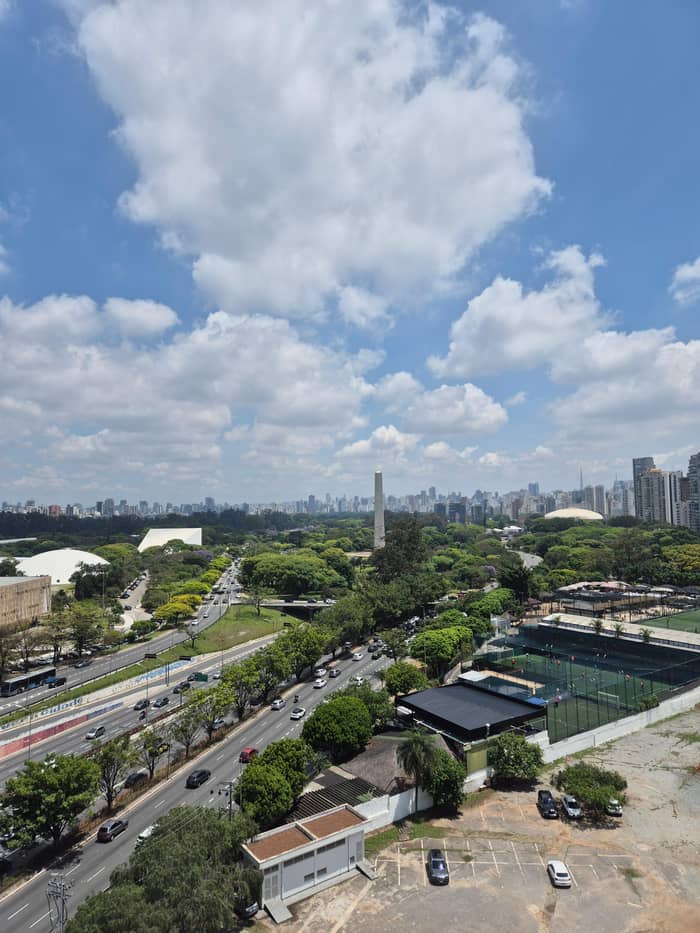
The main districts in 378 minutes, from downtown to Paulista Avenue.
Recommended for you
from $73
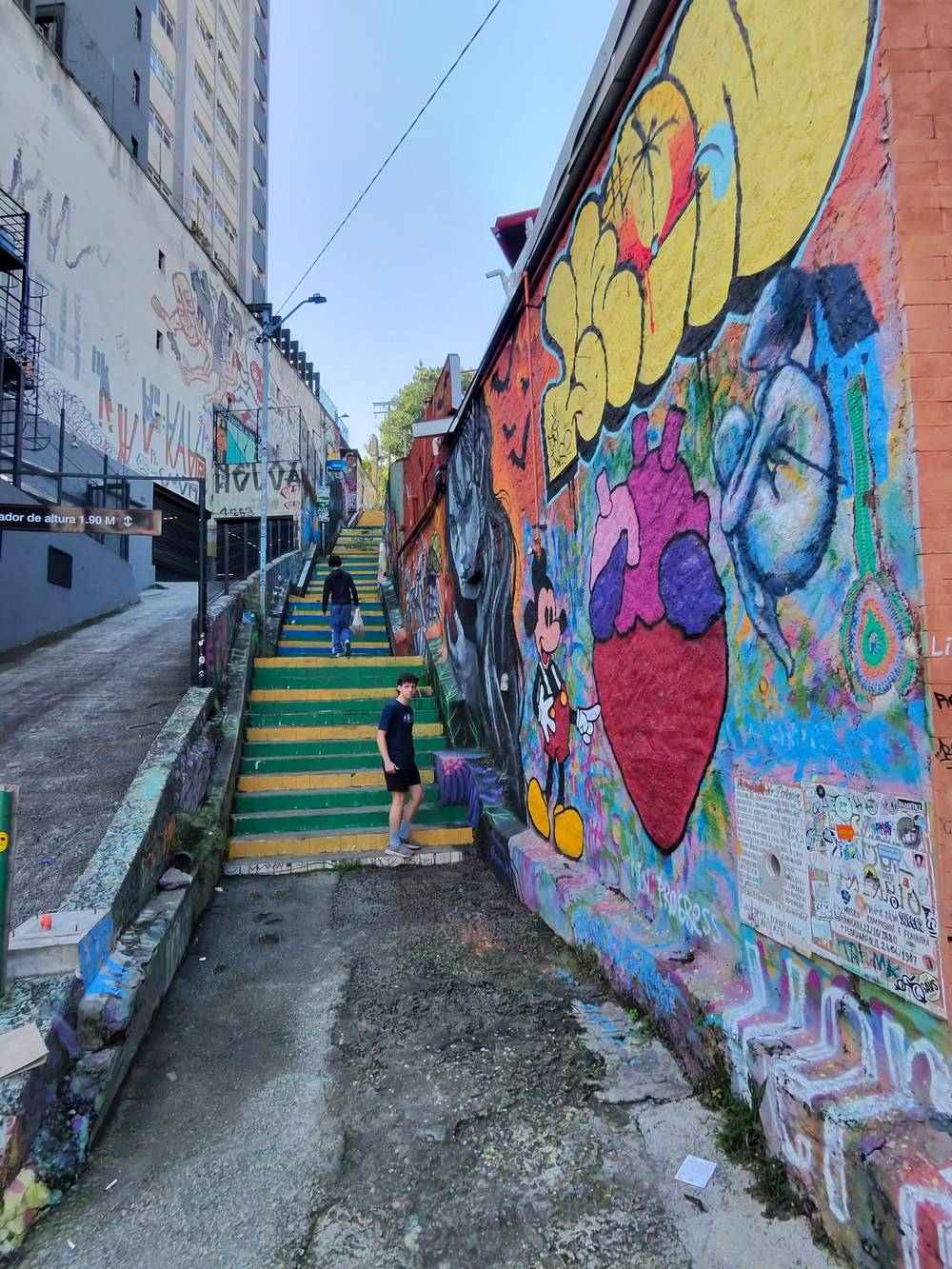
5.5 hours on foot and by metro, from Liberdade to Beco do Batman.
Recommended for you
from $55
2 hours of street food in the Japanese quarter, in a group of up to 10.
Recommended for you
from $261
1 hour over the skyline, from Campo de Marte airport.
A plain answer for travellers deciding whether to give this giant Brazilian city a day, a weekend or a pass, with the Rio question settled along the way.
Editorial team, saopaulocitytour.com · Updated November 11, 2026 · ~7 min read
The essentials
Yes, if you travel for culture, food and city life, and less so if you came to Brazil for sand and sea. The city convention and visitors bureau counts more than 130 museums, more than 110 cultural spaces, more than 1,000 cinema screens and 280 theatres.1 That is a great deal to do indoors and after dark, whatever the weather is doing outside.
It is also enormous. The first results of the 2022 census put the municipality at about 11.45 million people.3 That scale is the main reason first-time visitors feel lost, and the main reason a guided overview on the first day pays off: someone else handles the distances while you work out which districts you want to see again.
So the answer to whether Sao Paulo is worth visiting depends on what you enjoy. Art, architecture, restaurants, markets, football and nightlife: it delivers. Beaches, waterfalls and postcard views from the city itself: it does not, and pretending otherwise only sets up a disappointment. Decide what kind of trip you want first, and the rest of this page will tell you quickly whether the city fits it.
Sao Paulo or Rio
| Question | Sao Paulo | Rio de Janeiro |
|---|---|---|
| Beaches in the city | None | Famous ones |
| Main strength | Museums, food, nightlife | Beaches, mountains, views |
| Feel | Inland giant | City by the sea |
| Food scene | Called the national food capital | Beach kiosks and bars |
| Good first day | A guided city overview | The big viewpoints |
A summary of the character of each city; for Sao Paulo the visitors bureau counts more than 130 museums.1
Food is the strongest argument. The bureau describes the city as the gastronomic capital of the country, with 30,000 bars and 20,000 restaurants serving 52 types of cuisine.2 Add the Mercadao, the Sunday stalls of Liberdade and the chef counters of Pinheiros, and you could eat for a week without repeating a cuisine.
Art is the second. MASP on Paulista Avenue opens free to everyone on Tuesdays, from 10 AM to 8 PM, as long as you book a time online.8,9 On Sundays a free electric bus, the Paulistar Culture line, stops at the Catavento museum, at the Sala Sao Paulo concert hall and at the opera house.10,11 Between them, a Tuesday and a Sunday give you a serious art and music programme for the price of a coffee.
The third reason is the city itself on a Sunday. Avenida Paulista belongs to walkers, cyclists and street musicians between 9 AM and 4 PM, when traffic is shut out, and the city buses run free all day.5,12 Few experiences tell you more about how people here live than an afternoon on the avenue with them. Bring a camera and comfortable shoes; the avenue runs for a long way, and the side streets are full of cafes worth a stop.
By the numbers
Counts given by the Sao Paulo Convention and Visitors Bureau, which writes more than 130 museums and more than 110 cultural spaces.1
Sao Paulo began on January 25, 1554, when Jesuit priests founded a small mission on the heights of the Serra do Mar.4 For a long time it stayed modest. Then in the 19th century immigrants from Europe, Asia and the Arab world arrived, bringing a boom in population and industry, while coffee drove the economy.14
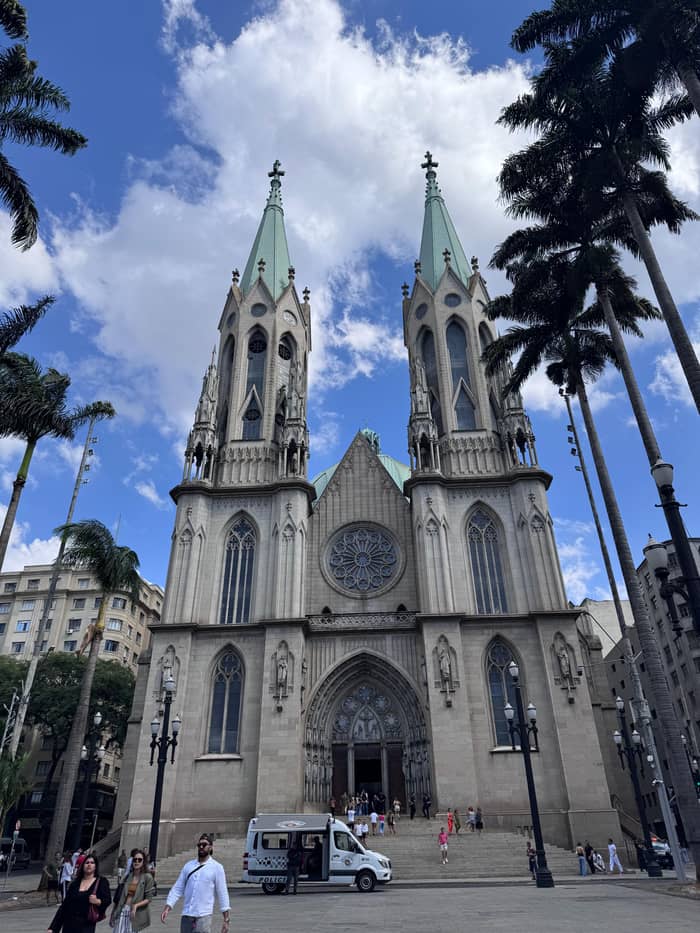
You can still read that story on the ground. The Mercadao, opened in 1933, is decorated with stained glass of farm work, and its stalls carry the food of Italians, Syrians, Portuguese, Spaniards and Japanese.15,16,17 Liberdade, with its Japanese shops and Sunday fair, is another chapter.18 Downtown, the old churches and bank towers tell the coffee chapter, if you know where to look.
That mix is what makes the city interesting to walk. A Portuguese bakery, a Lebanese snack bar and a Japanese grocer can share a single block, and nobody finds it unusual. Our landmarks guide follows the history stop by stop; the point here is simply that the city rewards curiosity more than it rewards a checklist.
Ways to visit
Booked here
The guided overview
Deeper
Tour, then museums and food
Up to 3 days
A break in a long trip
There is no beach in the city. Sao Paulo grew up on the plateau above the coastal mountains, not on the shore.4 The nearest coast is a separate day trip, and our day trips guide covers the options. If a beach is essential to every day of your holiday, base yourself elsewhere and keep this city for a short stay.
The weather is milder than many visitors expect, but it is not tropical beach weather either. The bureau describes summers between 25 and 30 degrees Celsius with showers late in the day, and dry winters between 15 and 20 degrees Celsius.21 Pack a light jacket for winter evenings and an umbrella for summer afternoons.
And it asks for care. Both the Canadian and Australian governments ask visitors to Brazil to be very careful about crime, and Canada names Paulista, the old centre and the market among the areas where crime often occurs.22,23,19 Our safety guide sets out the precautions that official advice recommends, and they are simple habits rather than reasons to stay away.
A good weekend
Saturday morning
Pickup at 9:30 AM for the full city tour.
Saturday afternoon
Free time at the market is on the route.
Sunday morning
The avenue is for walkers from 9 AM.5
Sunday midday
Street food on the car-free streets.6
Sunday afternoon
The Paulistar Culture circuit, every 20 minutes.7
The difference between Sao Paulo and Rio de Janeiro is the difference between a city you explore indoors and on foot and a city you explore outdoors and by the sea. Rio has the beaches, the mountains rising out of the water and the famous viewpoints. Sao Paulo has the museums, the restaurants, the business districts and a cultural calendar that never stops.
Travellers often ask which to choose. If you have a single long weekend in Brazil and want the classic images, Rio is the obvious pick. If you love food, art and the energy of a giant city, or you are passing through on business, Sao Paulo gives you more per hour. You can also combine both, flying in through one and out of the other.
Some airlines make that easier with a stopover: the visitors bureau says carriers offer a break of up to 3 days in Sao Paulo at no extra fare, and advises checking the details with your airline.13 That turns a connection into a short city break at almost no cost beyond the hotel. Ask at booking rather than after: changing a ticket later can cost far more than planning the pause from the start.
Video
Nordic Investor on YouTube · The video waits until you tap play to load.
Sao Paulo is the most important economic centre of Brazil and the capital of culture in Latin America, with an offer of leisure, knowledge and entertainment without equal.
Weigh it up
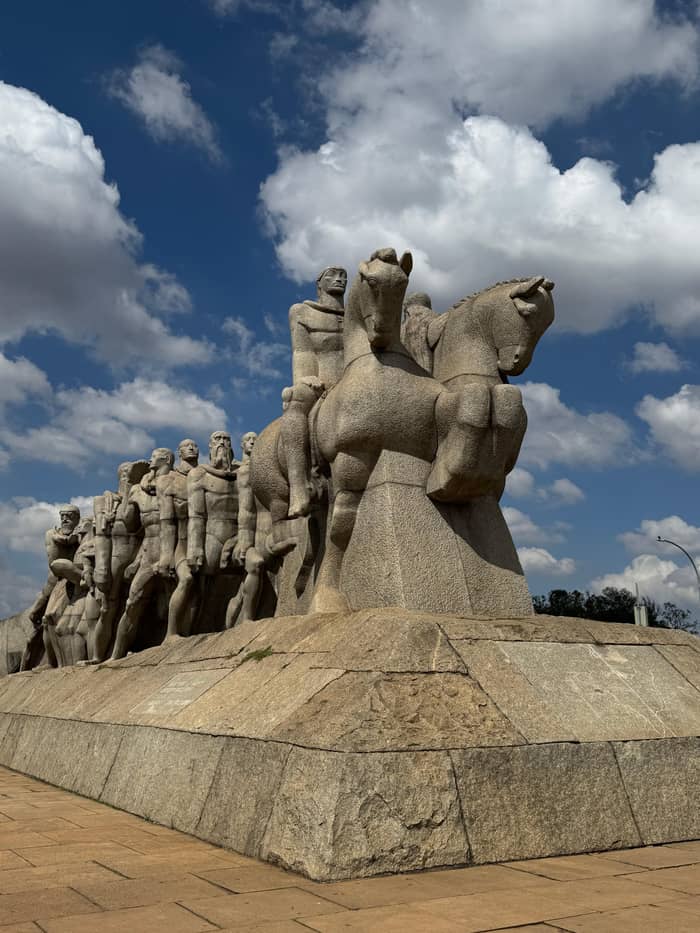
A single day is enough for an overview. The guided city tour covers downtown, Liberdade, the Mercadao, Ibirapuera Park, Batman Alley and Paulista Avenue in 378 minutes, with pickup at 9:30 AM. By the evening you will know the shape of the city. You will also know which areas you want more of, which is the most useful thing a first day can give you.
A stay of a few days lets you go deeper: a museum morning on Paulista, a food afternoon in Liberdade or Pinheiros, a street-art walk in Vila Madalena and a football match or a concert at night. A stopover of up to 3 days, where your airline offers one, fits this pattern neatly.13 Our short-stay guide lays out the plans.
Plan around Sundays if you can. Free buses, themed electric bus loops at no charge and the car-free streets of Paulista and Liberdade make Sunday the cheapest and most relaxed day to explore.12,7,24 Monday to Saturday, in turn, is better for the Mercadao, when the stalls stay open until 6 PM.25 Put the museums on Tuesdays and the markets on weekdays, and keep Sunday for the streets.
Sao Paulo suits food lovers, art and architecture fans, football supporters, business travellers with a spare day and anyone curious about how a megacity works. It suits travellers who enjoy cities on their own terms rather than as a backdrop. A recent guest on the city tour wrote that it made him fall in love with the city, which is the effect a good first day can have.
It suits first-time visitors to Brazil better than its reputation suggests, provided they start well. The city runs 6 tourist information and support centres, and the tourist police stations, the DEATURs, help visitors with robbery or lost documents.20,26 English-speaking tourist police are available here, as Australia notes.27
Skip it, or keep it short, if your idea of Brazil is beaches, nature and slow afternoons. And if you do come, give the first day to a guide. The shared tour averages 4.8 from 674 reviews and asks for no payment at booking, so you can still change your mind until 24 hours ahead of pickup. Book it for your first full morning in town, and let the rest of the trip grow out of what you liked.
FAQ
The city grew on the heights of the Serra do Mar; the coast is a day trip away.4
A guided day covers the main sights in 378 minutes; a stopover of up to 3 days allows more depth.13
Rio offers beaches and views; Sao Paulo offers museums, food and city life, and a trip can include both.
Summers run 25 to 30 degrees Celsius with late showers; winters 15 to 20 degrees and dry.21
Sources
More to read
Planning a day in Sao Paulo? Ask a real person.